
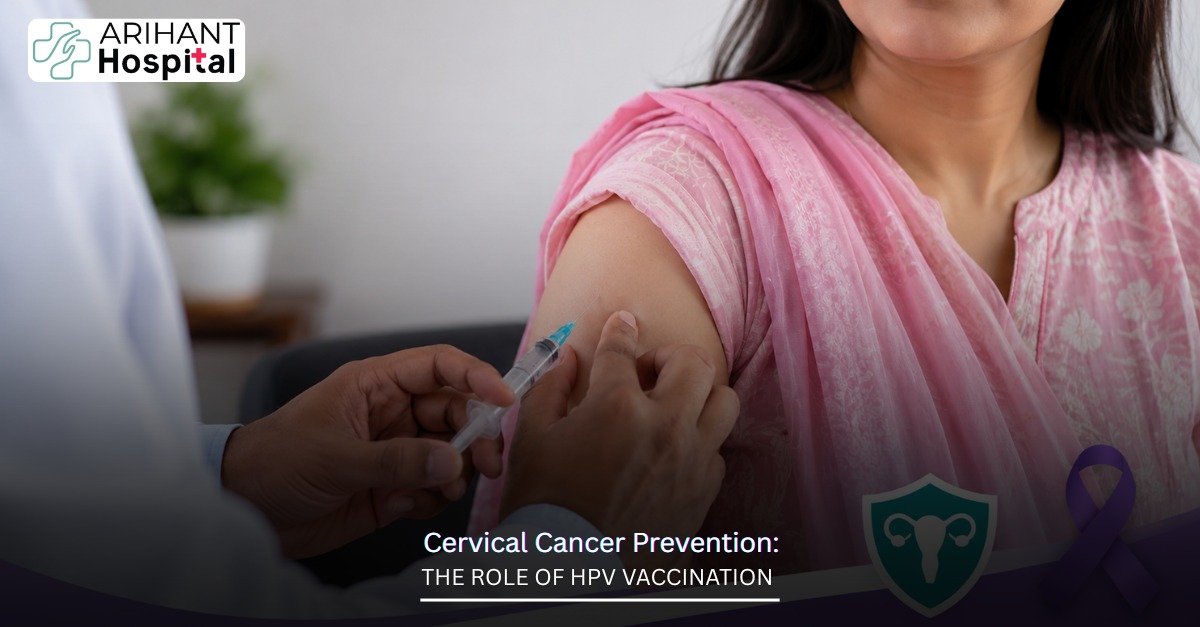
Although cervical cancer is one of the most preventable types of cancer, it still affects numerous women around the world. Knowing the primary cause of HPV and taking proactive measures, such as vaccination, regular screening, and early treatment, are the keys to prevention. When you’re looking for a gynaecology specialist, it’s important to understand how HPV vaccination helps to prevent cervical cancer and how that can influence health choices.
What is cervical cancer?
Cervical cancer occurs in the cells of the lower end of the uterus (cervix), which is where it joins the vagina. Most cases are a result of the long-term infection of a few strains of HPV, which is a sexually transmitted virus. Although most cases of HPV resolve without treatment, some cause changes that may occur in cervical cells and progress to cancer over time.
The importance of HPV vaccination
The HPV vaccine is intended to prevent infection with the most serious types of HPV that can lead to cervical cancer. It’s very effective if used before exposure to the virus, preferably during adolescence.
Important advantages of HPV vaccination
- Prevents infection from high-risk HPV types (mainly 16 and 18)
- Lowers the risk of cervical, vaginal and anal cancers
- Protects against other types of HPV that cause genital warts
- Offers long-term protection when completed as per schedule
One of the frequently asked questions by women looking for a gynecology doctor near me is when to get vaccinated. The optimum age is 9-14 years but can be administered up to 26 years (occasionally older) according to individual need.
The HPV vaccine and cervical cancer screening.
Vaccination is not a substitute for routine screening. For all women, even those who are vaccinated, cervical cancer screening can be done with either
- PAP tests (to check for abnormal cell changes)
- DNA testing for HPV (for identification of high-risk HPV strains)
gynecologistEarly cell changes are detected before cancer can develop at the early stage with regular screening. An expert gynecologygynaecologist at Arihant Hospital can help you determine the right screening schedule as per age and risk factors.
Some common myths about HPV vaccination:
- Myth 1 – “The vaccine is only for teenagers.”
Although most effective when administered early, the vaccine is effective for women of any age, up to 26 and possibly beyond based on sexual history and risk.
- Myth 2 – “Vaccinated women do not need screening.”
False. Vaccinations decrease the risk, but they do not remove it. Standard Pap tests and HPV tests are still necessary.
- Myth 3 – “HPV vaccines have side effects that are harmful.”
The vaccine is free of any adverse effects. Side effects are minor, such as pain in the arm or a headache, but serious side effects are uncommon.
When to see a gynaecologist
If you have any of these symptoms, consult a gynecologist near me:
- You will be receiving HPV vaccine and would like information on how much will you receive
- You experience any abnormal bleeding, pain or unusual discharge
- Fewer than the recommended numbers of screening tests have been completed or have had abnormal Pap test results in the past
- You’re worried about being exposed to HPV, or you want to know about sexual health
Consultations with a gynaecology specialist early can ensure timely vaccination, screening, and prevention of cervical cancer.
What to expect when you visit Arihant Hospital.
At Arihant Hospital, a Gynaecology doctor near me will:
- Review your immunizations and risk factors
- Follow the recommended HPV vaccination schedule (typically 2-3 doses).
- Do cervical screening tests as required
- Provide individual recommendations for prevention and postcare.
The hospital is dedicated to patient-centered service and will provide women with professional advice and guidance on HPV vaccination and the prevention of cervical cancer.
Preventive measures that can be taken in practice
- Take the HPV vaccine at a young age, preferably before the onset of sexual activity.
- Follow the recommended vaccine schedule (2 or 3 doses).
- Have regular cervical screening as recommended by your very best gynecologist, Gurgaon.
- Have safe sex, including the use of condoms.
- Don’t smoke, as it can make cervical cancer more likely to progress.
- Get treatment at a reputed health center such as Arihant Hospital for all gynaecological care.
The right combination of vaccines, screening, and timely medical attention can help prevent cervical cancer. Don’t wait for symptoms; act now by visiting Arihant Hospital, where you can receive expert advice on HPV vaccination and cervical health and wellness.
Frequently asked questions
- What is the recommended age for girls to receive the HPV vaccine?
The ideal age is 9–14 years, but it can be given up to 26 years. You can consult a gynecologist at Arihant Hospital about the optimum time for your case.
- Do kids need two shots of the HPV vaccine?
Most girls less than 15 years of age require 2 doses and girls Those 15 years of age or older require 3 doses. The schedule will be guided by your Ggynecologistdoctor near me.
- Is HPV vaccination an alternative to pap testing?
No. Although vaccinated women can be screened for changes through HPV DNA tests and Pap tests periodically, they still must be screened for early changes.
- Where can I get the HPV vaccine in Gurgaon?
gynecologistHPV vaccination is available at Arihant Hospital, with the help of qualified doctors specialized in gynecology. Many patients look for aggynecologistynecologist gynaecologist near me or the best gynaecologist in Gurgaon for providing reliable and safe vaccination services.