
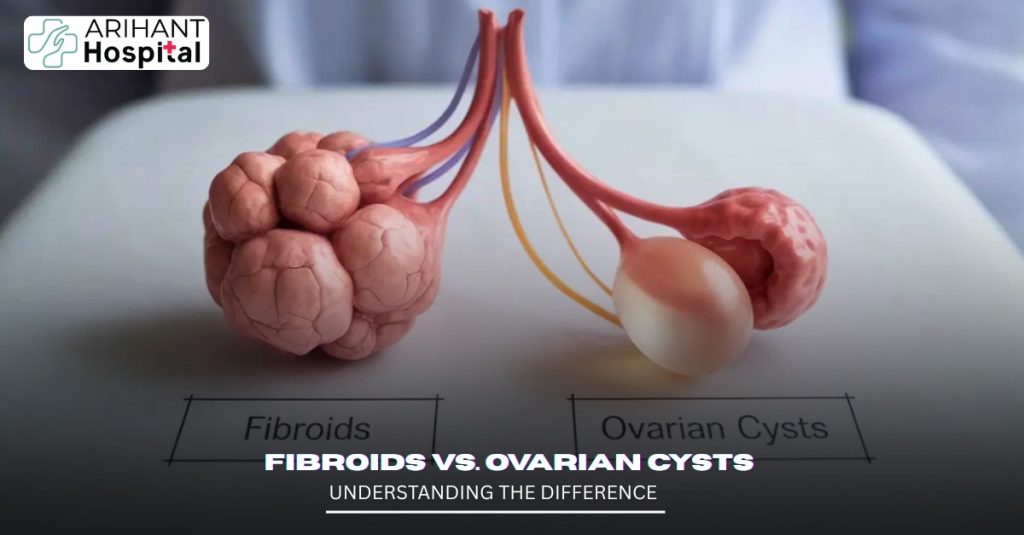
Women’s reproductive health can be affected by a variety of conditions, many of which share similar symptoms. Among the most common are fibroids and ovarian cysts. Although these conditions can both cause pelvic discomfort, changes in menstrual patterns, and concerns about fertility, they are fundamentally different in terms of their origin, composition, and treatment.
Understanding the differences between fibroids and ovarian cysts is essential for recognizing symptoms, seeking timely medical care, and making informed decisions about treatment. While both conditions are often non-cancerous, they can significantly impact a woman’s quality of life if left untreated.
What Are Fibroids?
Fibroids, also known as uterine fibroids or leiomyomas, are non-cancerous growths that develop within or on the walls of the uterus. They are made up of muscle and fibrous tissue and can vary greatly in size—from tiny, seed-like growths to large masses that enlarge the uterus.
Fibroids are extremely common, particularly among women between the ages of 30 and 50. Many women may have fibroids without experiencing any symptoms, while others may develop symptoms that interfere with daily activities.
Common Symptoms of Fibroids
- Heavy or prolonged menstrual bleeding
- Painful periods
- Pelvic pressure or fullness
- Frequent urination
- Constipation
- Lower back pain
- Pain during intercourse
- Difficulty conceiving in some cases
The symptoms often depend on the size, number, and location of the fibroids within the uterus.
What Are Ovarian Cysts?
Ovarian cysts are fluid-filled sacs that develop on or inside the ovaries. Unlike fibroids, which are composed of solid tissue, ovarian cysts typically contain fluid or semi-solid material.
Many ovarian cysts are a normal part of the menstrual cycle and are known as functional cysts. These often form during ovulation and disappear on their own without treatment. However, some cysts may persist, grow larger, or cause complications that require medical attention.
Common Symptoms of Ovarian Cysts
- Pelvic pain or discomfort
- Bloating or abdominal swelling
- Pain during intercourse
- Irregular menstrual cycles
- Feeling of fullness in the abdomen
- Frequent urge to urinate
- Nausea in certain cases
Some ovarian cysts cause no symptoms and are discovered only during routine pelvic examinations or imaging studies.
Key Differences Between Fibroids and Ovarian Cysts
Although fibroids and ovarian cysts may produce similar symptoms, there are several important differences.
1. Location
The most significant difference is where they develop.
- Fibroids grow in or around the uterus.
- Ovarian cysts develop within or on the ovaries.
Because these structures are located in different parts of the reproductive system, the symptoms and potential complications may vary.
2. Composition
Their physical makeup is also different.
- Fibroids are solid masses composed of muscle and fibrous tissue.
- Ovarian cysts are usually fluid-filled sacs.
This distinction is often visible during ultrasound examinations and helps physicians make an accurate diagnosis.
3. Causes
The exact cause of fibroids is not fully understood, but hormonal factors—particularly estrogen and progesterone—are believed to play a significant role. Genetics and family history may also increase the risk.
Ovarian cysts often develop as part of the normal ovulation process. Other causes include hormonal imbalances, endometriosis, pregnancy-related changes, and conditions such as polycystic ovary syndrome (PCOS).
4. Menstrual Changes
Fibroids are more likely to cause heavy menstrual bleeding and prolonged periods because they affect the uterus directly.
Ovarian cysts may lead to irregular periods or mild menstrual disturbances but are less commonly associated with heavy bleeding.
How Are They Diagnosed?
A healthcare provider may suspect fibroids or ovarian cysts based on symptoms and a pelvic examination. Imaging tests are typically used to confirm the diagnosis.
Diagnostic Methods Include:
- Pelvic ultrasound
- Transvaginal ultrasound
- MRI scans in selected cases
- CT scans when additional evaluation is needed
- Blood tests to assess hormone levels or rule out other conditions
Ultrasound is often the first and most effective imaging tool for distinguishing between fibroids and ovarian cysts.
Can Fibroids and Ovarian Cysts Affect Fertility?
Both conditions have the potential to impact fertility, though the degree varies from person to person.
Fibroids and Fertility
Certain fibroids, especially those that distort the uterine cavity, may interfere with implantation or increase the risk of pregnancy complications. However, many women with fibroids conceive and carry healthy pregnancies.
Ovarian Cysts and Fertility
Most simple ovarian cysts do not affect fertility. However, cysts associated with endometriosis or PCOS may influence ovulation and reproductive health.
Women who are planning pregnancy and experiencing symptoms should consult a gynecologist for individualized evaluation and guidance.
Treatment Options
Treatment depends on factors such as symptoms, age, size of the growth, and future pregnancy plans.
Treatment for Fibroids
Options may include:
- Observation for small, symptom-free fibroids
- Hormonal medications
- Non-hormonal medications to control bleeding
- Uterine artery embolization
- Myomectomy (surgical removal of fibroids)
- Hysterectomy in severe cases when childbearing is complete
Treatment for Ovarian Cysts
Management may involve:
- Watchful waiting with repeat ultrasounds
- Hormonal contraceptives to prevent new cyst formation
- Pain management medications
- Laparoscopic cyst removal
- Surgery for large, persistent, or suspicious cysts
Many ovarian cysts resolve naturally within a few menstrual cycles and require no intervention.
When Should You See a Doctor?
While occasional pelvic discomfort can have many causes, certain symptoms warrant medical evaluation.
Seek medical attention if you experience:
- Severe pelvic pain
- Sudden abdominal pain
- Heavy menstrual bleeding
- Persistent bloating
- Difficulty conceiving
- Rapid abdominal enlargement
- Pain that interferes with daily activities
Early diagnosis can help prevent complications and ensure appropriate treatment.
Conclusion
Fibroids and ovarian cysts are common gynecological conditions that can cause overlapping symptoms but differ significantly in their location, structure, causes, and treatment approaches. Fibroids are solid growths that develop in the uterus, while ovarian cysts are typically fluid-filled sacs that form on the ovaries.
Understanding these differences can help women recognize symptoms and seek timely medical care. Regular gynecological check-ups, prompt evaluation of unusual symptoms, and personalized treatment plans are key to maintaining reproductive health and overall well-being. If you experience persistent pelvic pain, menstrual changes, or concerns about fertility, consulting an experienced gynecologist can help determine the underlying cause and guide you toward the most effective treatment.